Types of Household Mold
Black Mold (Stachybotrys)
Danger: HighProduces mycotoxins. Often found in water-damaged drywall and ceiling tiles. Requires professional remediation for areas > 10 sq ft.
Green Mold (Aspergillus)
Danger: ModerateCommon indoor mold. Found on food, HVAC systems, and damp walls. Can trigger allergic reactions and respiratory issues.
White Mold (Penicillium)
Danger: ModerateOften confused with efflorescence. Found on basement walls, furniture, and carpets. Spreads quickly in humid conditions.
Pink Mold (Aureobasidium)
Danger: Low-ModerateCommon in bathrooms on grout, caulk, and shower curtains. Not technically mold but a yeast that thrives in wet areas.
Step-by-Step Mold Removal
Assess the Area
If mold covers more than 10 square feet, the EPA recommends hiring a professional. For smaller areas, you can DIY with proper protection.
Gear Up (PPE)
Wear an N95 respirator, safety goggles (no vents), and long rubber gloves. Open windows for ventilation.
Contain the Area
Seal the room with plastic sheeting and tape. Turn off HVAC to prevent spore spread. Use a fan to exhaust air outside.
Remove Affected Materials
Discard porous materials (drywall, carpet, insulation) that are moldy. Place in sealed plastic bags before moving through the house.
Clean Hard Surfaces
Scrub with mold remover spray (see our picks below) or a solution of 1 cup bleach to 1 gallon water. Let sit 15 minutes.
Dry Completely
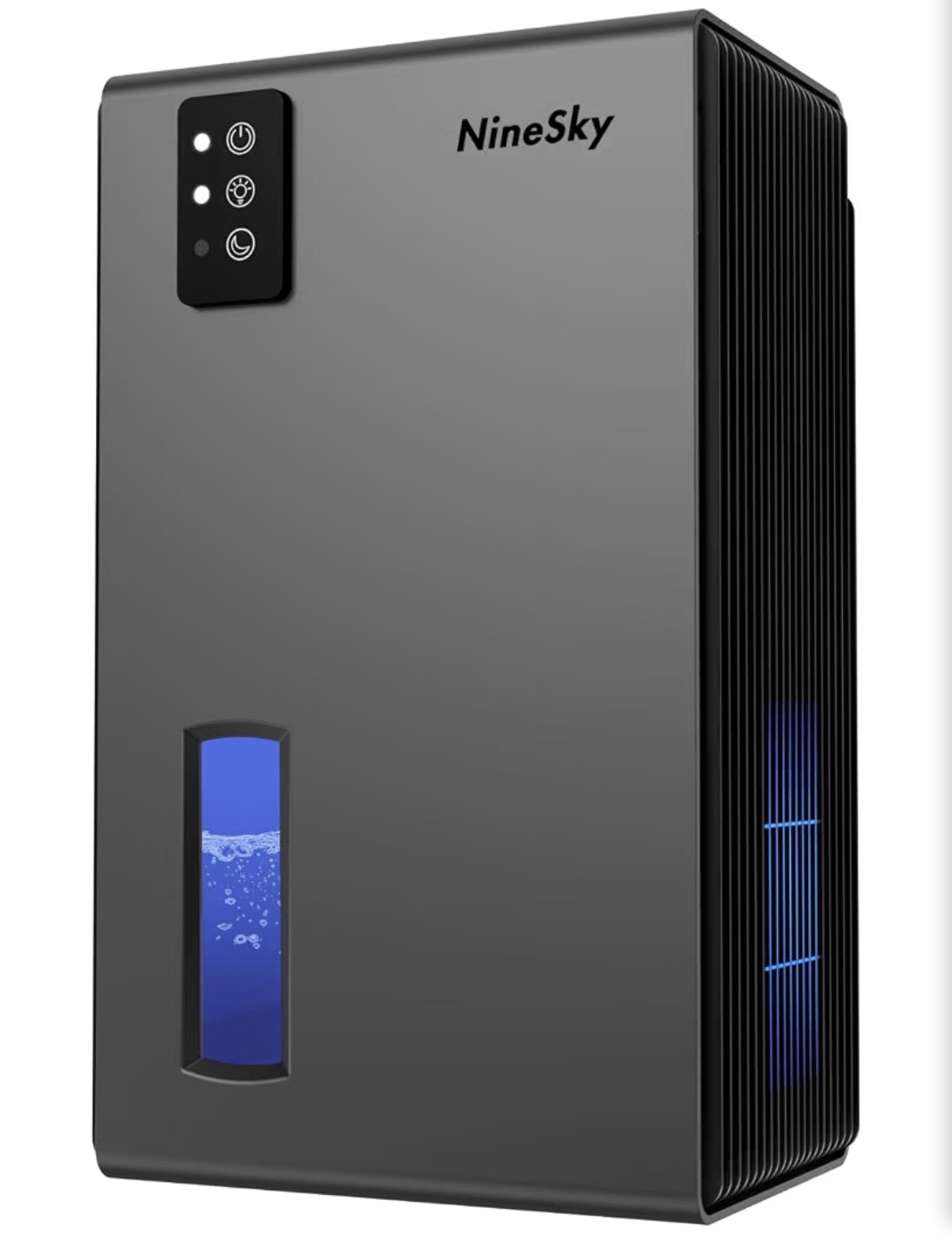
Use a dehumidifier and fans. The area must reach <50% humidity within 48 hours to prevent regrowth.
Apply Mold Prevention
Treat surfaces with mold-resistant primer. Fix the moisture source (leak, condensation, poor ventilation).
Best Mold Removal Products (USA, 2026)
Four trusted, widely-available picks — ranked by what they're actually best at.
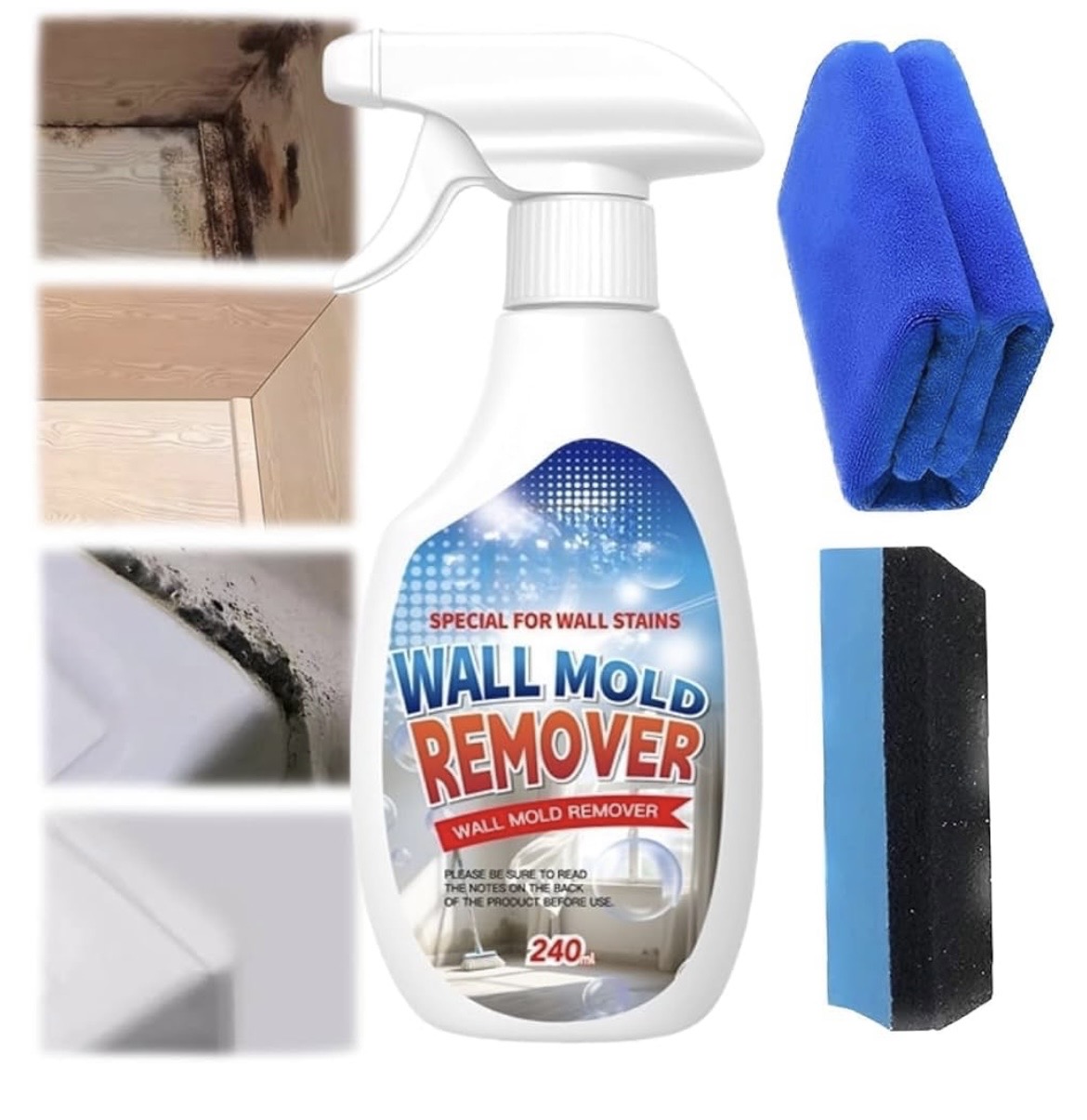
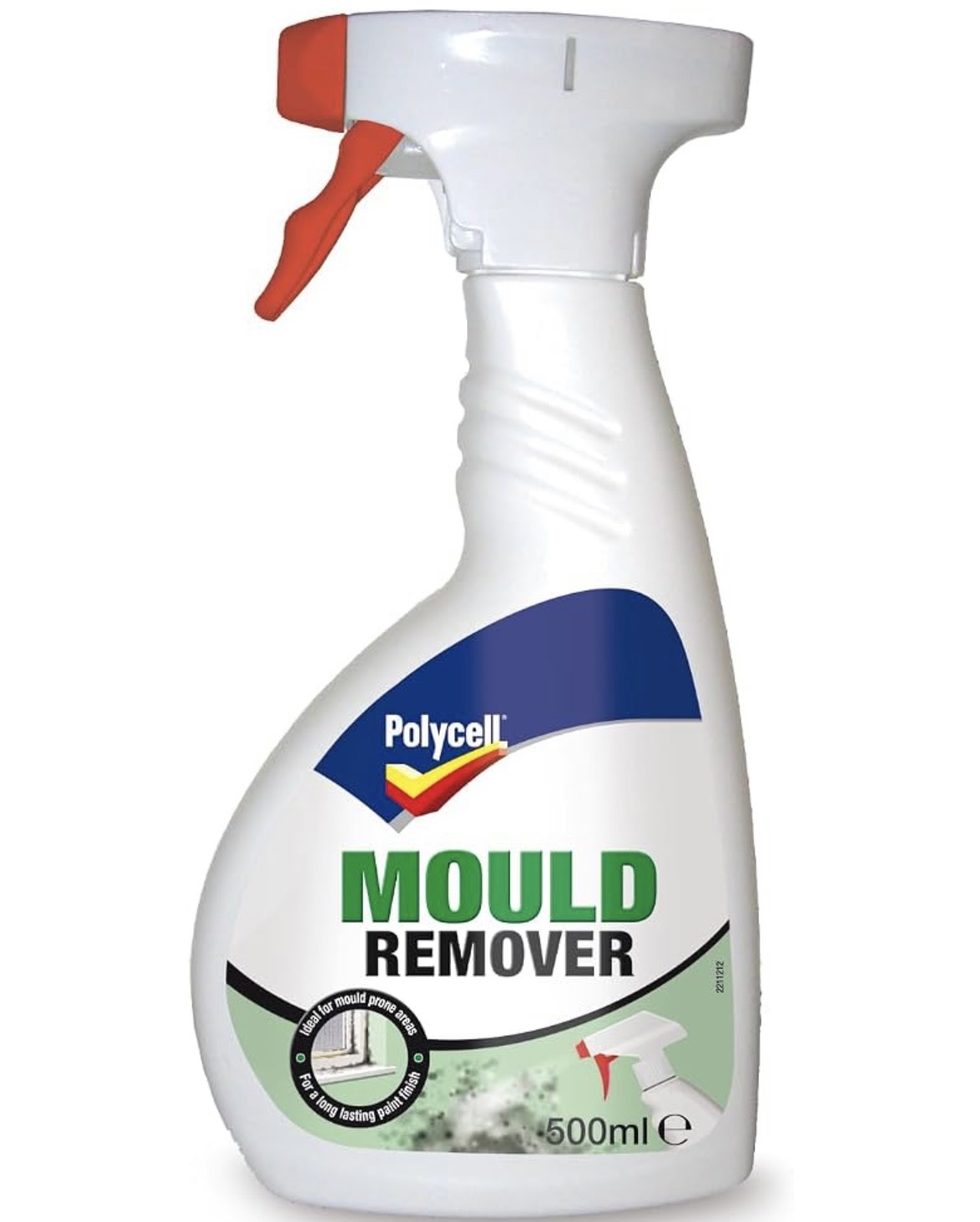
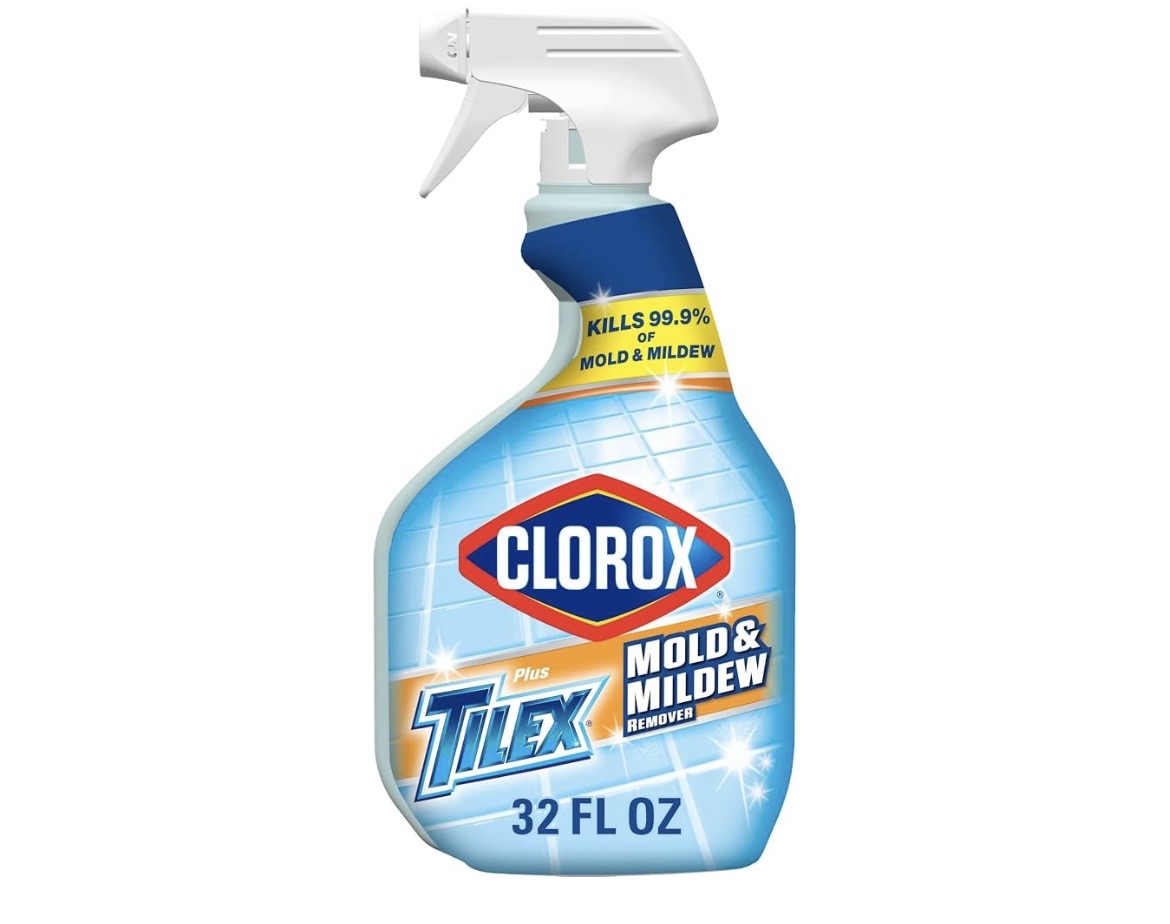
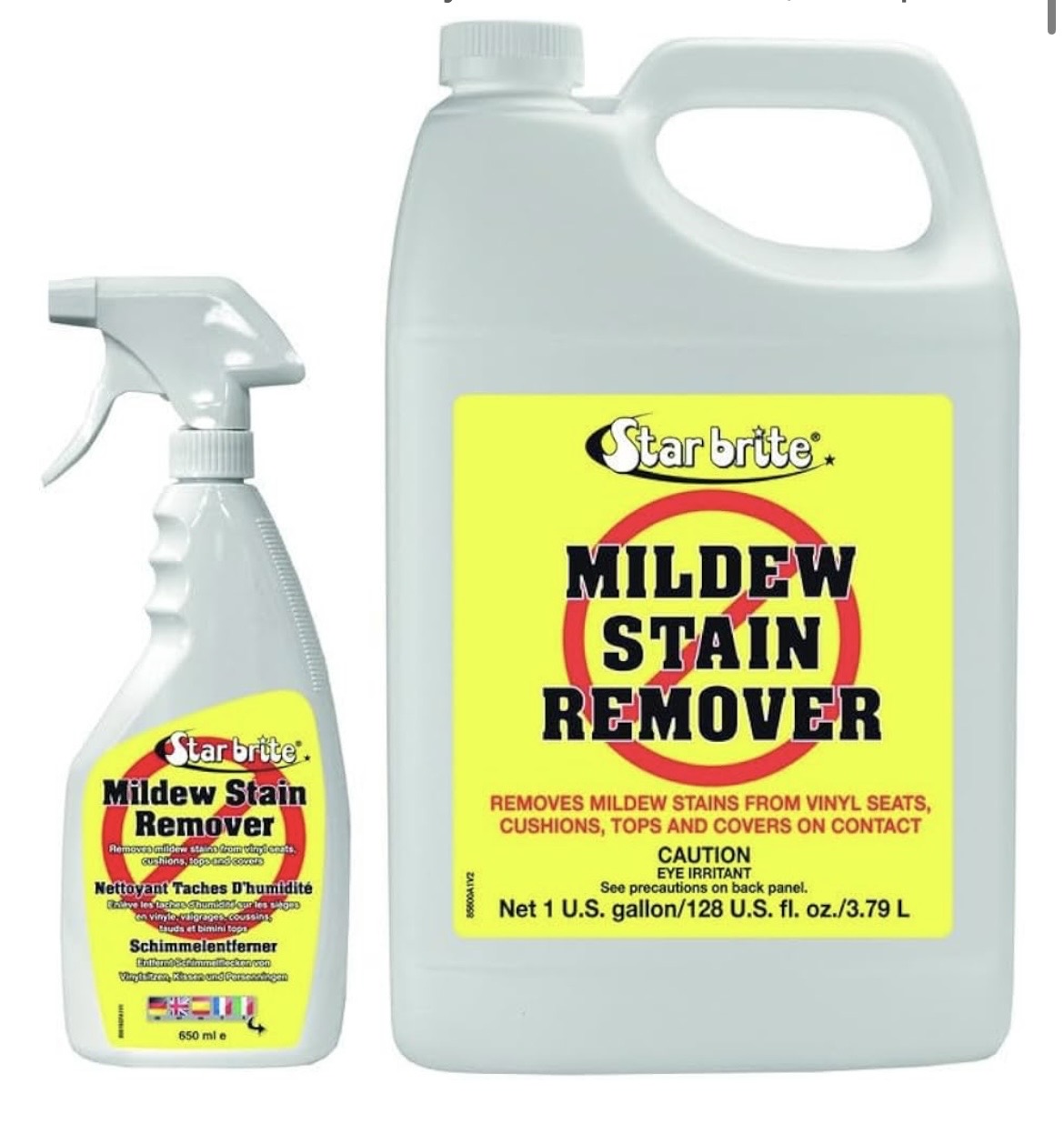
How to choose: use pick #1 for fast stain removal on tough surfaces, #2 if prevention matters more than speed, and #4 if fumes are a concern in a lived-in space.
When to Call a Professional
- Mold covers more than 10 square feet (EPA threshold)
- You suspect black mold (Stachybotrys chartarum)
- Mold is inside HVAC ducts or systems
- Water damage from flooding or sewage backup
- Health symptoms: persistent cough, wheezing, headaches
- Mold returns after repeated DIY cleaning
Average professional mold remediation cost: $1,500 – $3,150 (HomeAdvisor, 2026).
Sources & References
- [1]Mold Cleanup in Your Home — EPA
- [2]Facts About Mold and Dampness — CDC
- [3]Mold Remediation Cost Guide — HomeAdvisor
- [4]Indoor Air Quality Guidelines — WHO