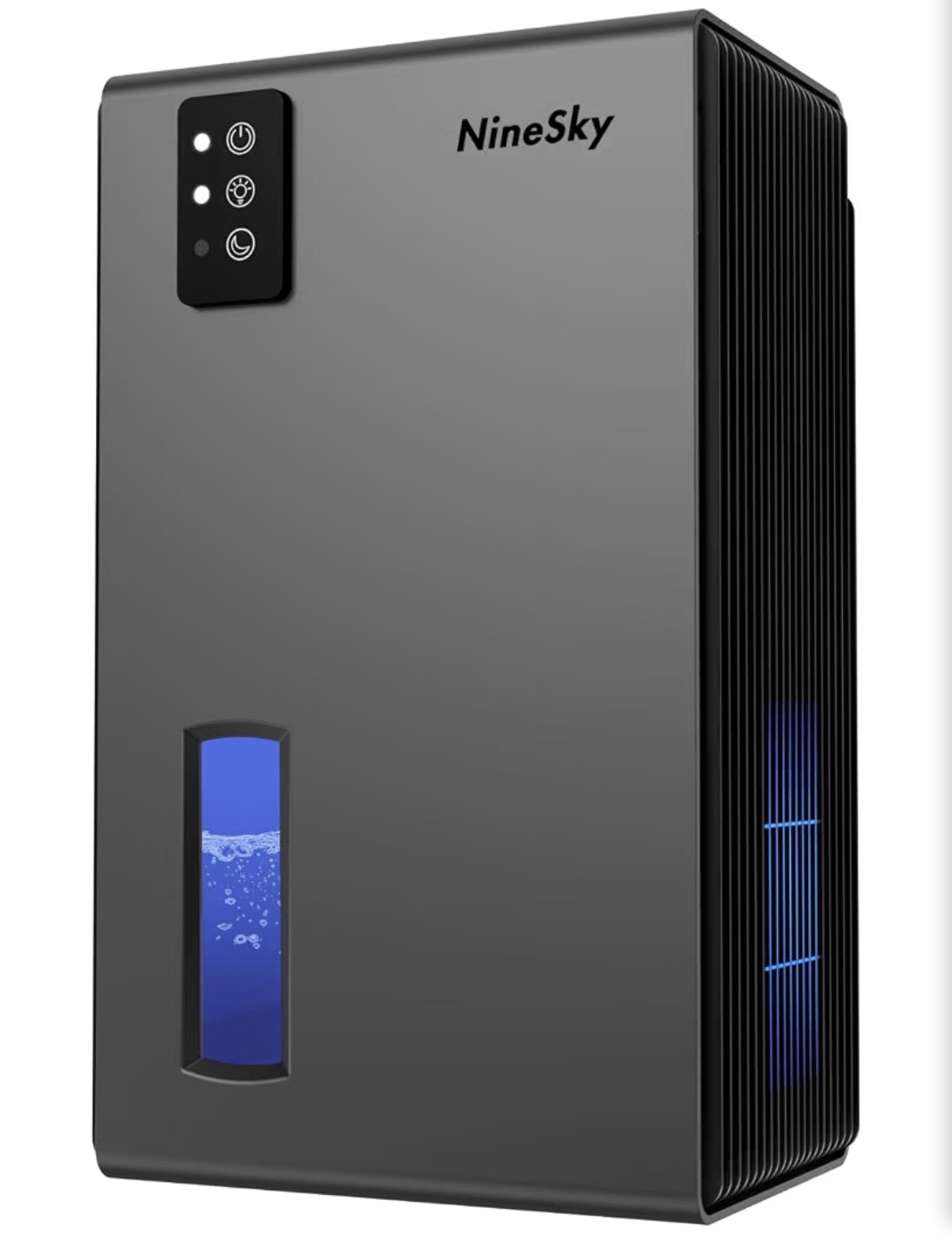
Health Risks of Poor Indoor Air
Asthma
CDCMold exposure triggers and worsens asthma attacks. Children in damp homes are 1.5-3x more likely to develop asthma.
Allergic Rhinitis
AAFAMold spores and dust mites (which thrive in humidity >50%) are leading indoor allergens.
Respiratory Infections
WHOLiving in a damp home increases the risk of respiratory infections, bronchitis, and pneumonia.
Toxic Mold Syndrome
EPAProlonged exposure to mycotoxins from black mold can cause neurological symptoms, fatigue, and immune suppression.
EPA Indoor Air Quality Guidelines
- Keep indoor humidity between 30% and 50%
- Fix leaks and water problems within 24-48 hours
- Ensure proper ventilation in kitchens and bathrooms
- Use HEPA air purifiers to capture mold spores
- Clean and dry water-damaged materials within 48 hours
- Never carpet basements or bathrooms
- Vent clothes dryers to the outside
Our Top 3 Picks — Tested & Ranked
Best Air Purifiers for Mold & Allergens
We compared coverage, CADR and true-HEPA performance against mold spores. These are the 3 we'd actually put in a damp bedroom, basement or nursery.
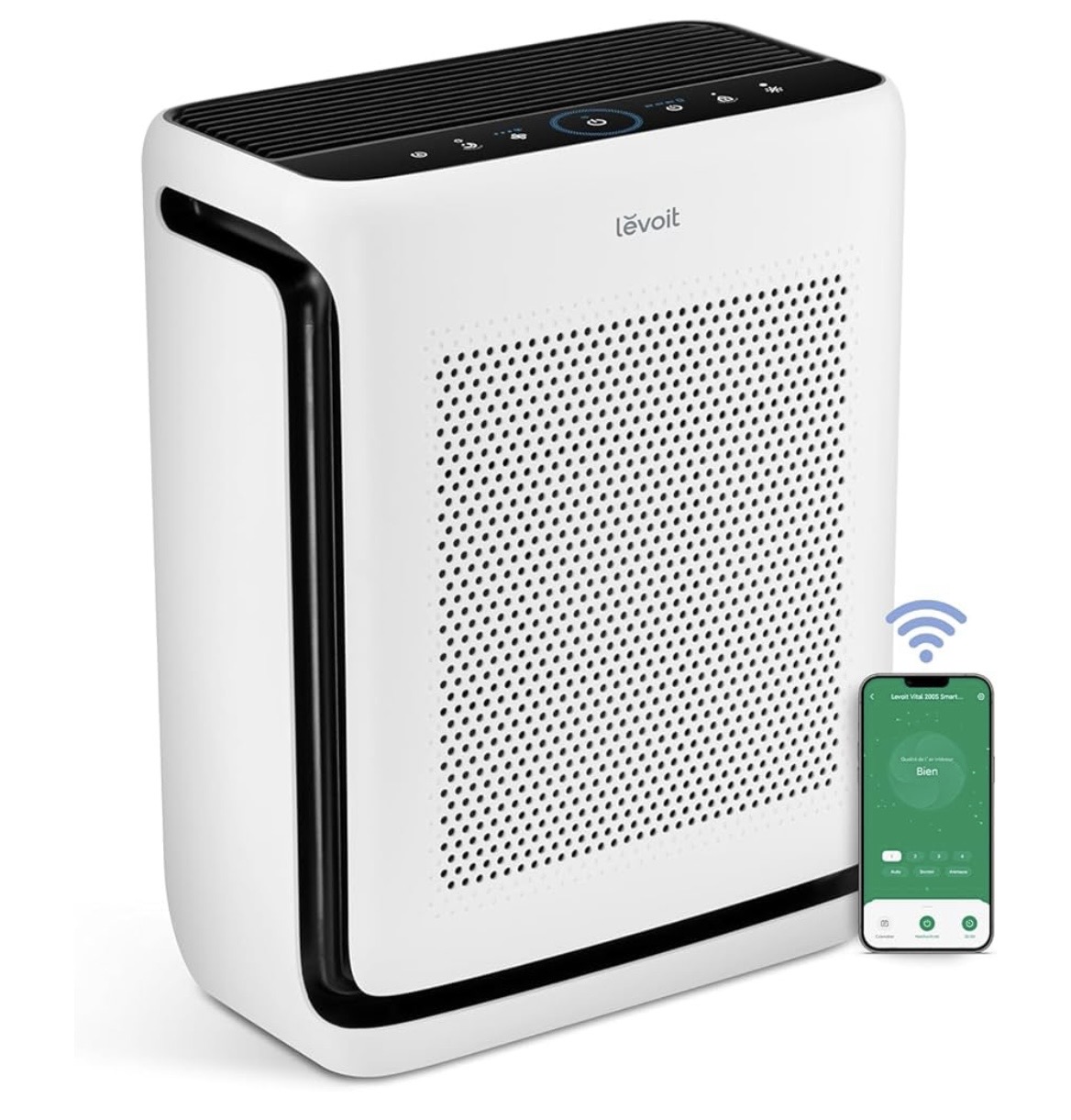
LEVOIT Vital 200S
Why it's #1: Built specifically for allergy sufferers — a dual sensor, washable pre-filter and true HEPA layer rated against mold, pet dander and pollen, with a large CADR for bigger rooms. The default recommendation for bedrooms, basements and living rooms alike.
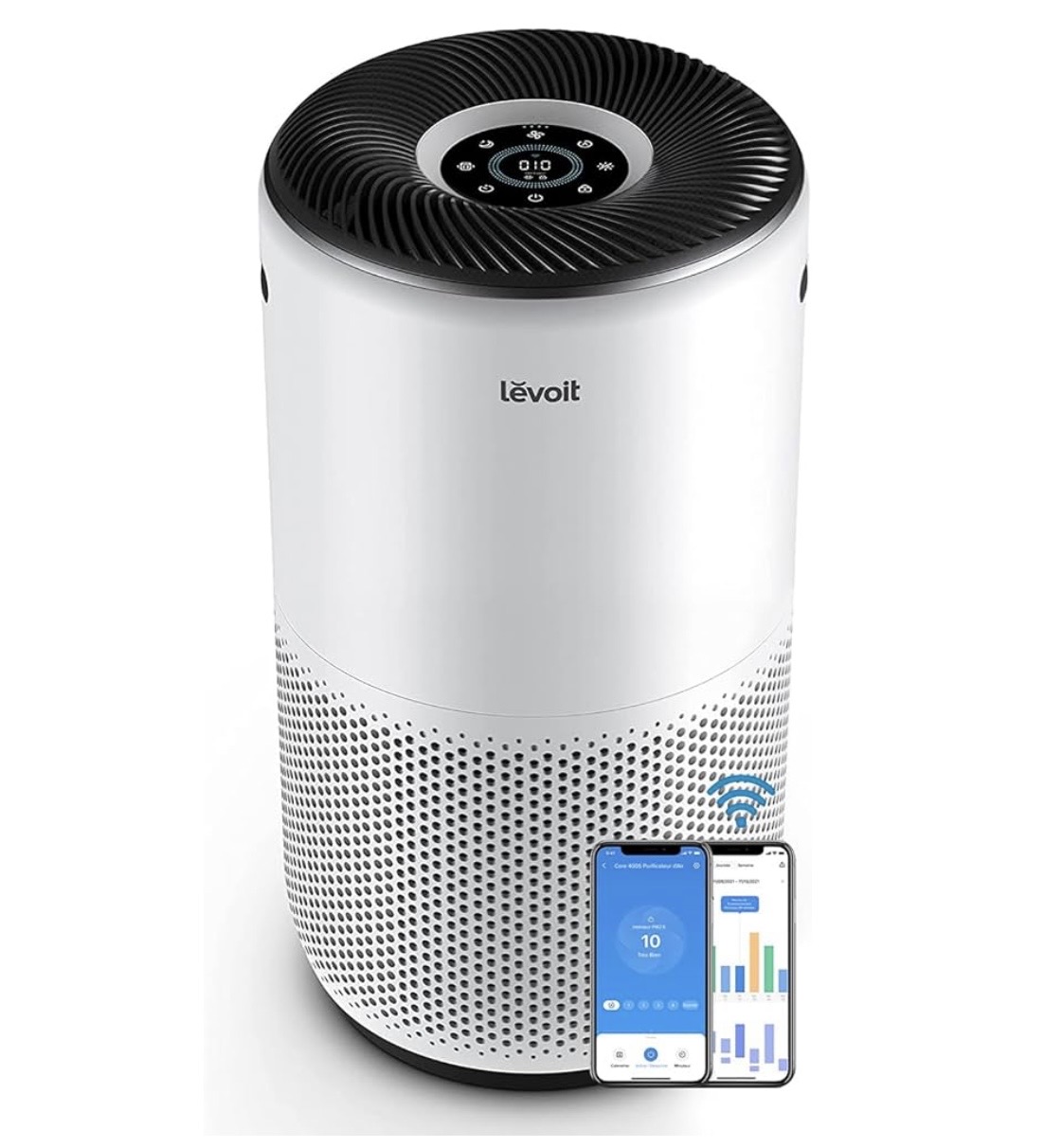
LEVOIT Core 400S
Why it's here: Adds a real-time PM2.5 air-quality display and full app/Alexa control on top of true HEPA filtration, so you can actually watch mold-spore levels drop. Best choice for open-plan spaces or anyone who wants smart-home integration.
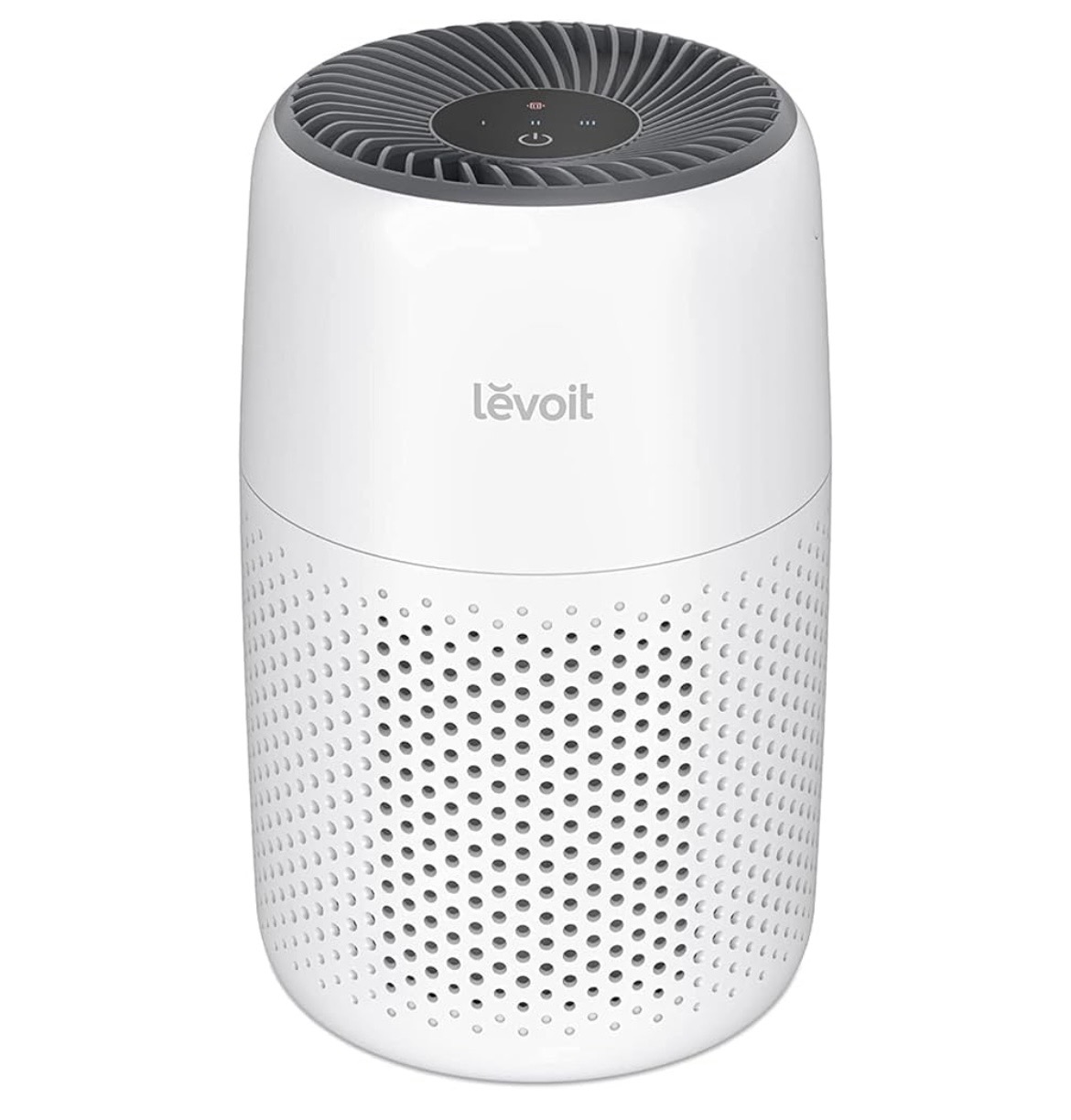
LEVOIT Core Mini
Why it's here: A compact true-HEPA purifier with an aromatherapy sponge for musty odors, at a fraction of the price. The easiest pick for a small bedroom, bathroom or home office if budget is the deciding factor.
As an Amazon Associate, ZeroHumi earns from qualifying purchases. An air purifier reduces airborne mold spores — it does not remove mold growth or fix a moisture source.
7 Tips to Improve Your Home's Air Quality
Get a hygrometer
Monitor humidity levels in every room. Target: 30-50%.
Use exhaust fans
Always run bathroom and kitchen fans during and 30 min after use.
Invest in a dehumidifier
Essential for basements and any room consistently above 50% RH.
Fix plumbing leaks fast
Even small leaks create enough moisture for mold within 48 hours.
Clean HVAC ducts
Have ducts inspected and cleaned every 3-5 years.
Open windows when possible
Fresh air dilutes indoor pollutants. Even 15 min/day helps.
Choose low-VOC products
Paints, cleaners, and furniture can emit harmful chemicals.
Sources
- [1]Indoor Air Quality — EPA
- [2]Mold and Health — CDC
- [3]Asthma and Allergy Statistics — AAFA
- [4]WHO Guidelines for Indoor Air Quality: Dampness and Mould — WHO