Ideal Humidity Level in a Home: The Complete Guide
The ideal humidity level is between 40% and 60% according to the WHO. In France, 22% of homes have an abnormal humidity level according to OQAI. Discover the recommended values and how to achieve them.
40-60%
WHO ideal level
22%
Affected homes
+25%
Allergy risk
10-30€
Hygrometer price
Summary: Values to Remember
< 40%
Air too dry
Irritations, static electricity
40-60%
WHO ideal zone
Optimal comfort and health
> 60%
Air too humid
Mold, dust mites
Why Is the Humidity Level So Important?
The relative humidity of the air directly influences your comfort, your health, and the condition of your home. According to recommendations from the World Health Organization (WHO), published in the "WHO Housing and Health Guidelines" of 2018, maintaining a level between 40% and 60% allows you to:
- Limit the proliferation of dust mites – Their development is optimal above 70% humidity. Reducing the level below 50% decreases their population by 80% according to an INSERM study.
- Prevent mold – Fungi grow starting from 65% relative humidity. 37% of homes with a level above 70% have visible mold (OQAI, 2023).
- Reduce respiratory infections – Air that is too dry (<30%) weakens mucous membranes and increases the risk of winter infections by 25% according to Santé Publique France.
- Protect the building – Wooden floors, furniture, paint, and wallpaper deteriorate prematurely in case of excessive or insufficient humidity.
"A home where relative humidity regularly exceeds 60% presents a 2.5 times higher risk of developing respiratory pathologies in its occupants."
Case study: The Martin family in Rennes
House built in 1985, 120 m², 4 occupants
Initial situation: Humidity level measured between 68% and 75% depending on the rooms. Permanent condensation on the windows, mold in the bathroom, and their 8-year-old son was developing recurrent asthma attacks.
Actions implemented:
- Installation of a moisture-controlled VMC (1,800 € including installation)
- Purchase of a connected hygrometer (35 €) to track progress
- Habit changes: daily ventilation, drying laundry outdoors
Results after 3 months: Level stabilized between 48% and 55%. Disappearance of condensation, no new mold, and significant reduction in their son's asthma symptoms. Estimated savings of 200 €/year on heating (dry air is easier to heat).
Recommended Humidity Level by Room
Recommendations vary according to the use of each room and the activities that take place there. These values come from NF EN ISO 7730 standards and ADEME recommendations.
| Room | Ideal level | Alert threshold | Notes |
|---|---|---|---|
| Adult bedroom | 40-50% | > 55% | Limits dust mites in bedding |
| Baby/child bedroom | 45-55% | > 60% | More sensitive respiratory tracts |
| Living room | 40-55% | > 60% | Optimal thermal comfort |
| Kitchen | 50-60% | > 70% | Normal peaks during cooking (use hood!) |
| Bathroom | 50-60% | > 75% | Essential ventilation after showering |
| Wine cellar | 70-75% | > 80% | Specific case for storage |
| Office/home office | 40-50% | > 55% | Comfort and concentration |
Consequences of a Poor Humidity Level
Air too dry (<40%)
14% of French homes are affected, mainly in winter with heating.
- • Respiratory tract irritation (+30% colds)
- • Dry skin and eyes
- • Frequent nosebleeds
- • Unpleasant static electricity
- • Wood floor cracks (repair: 50-100€/m²)
- • Wallpaper peeling
Air too humid (>60%)
22% of French homes are affected, especially in coastal areas and old buildings.
- • Mold growth (3x risk)
- • Dust mite proliferation (2.5x allergies)
- • Persistent musty odors
- • Condensation on windows
- • Paint degradation (redo: 25-40€/m²)
- • Overconsumption of heating (+15%)
Impact on Health: Key Figures
According to the OQAI national study published in 2023 and data from Santé Publique France:
Respiratory pathologies
- +40% risk of asthma in children exposed to mold
- 3.5 million French people suffer from dust mite allergies
- 20,000 deaths/year linked to indoor air quality
Economic cost
- 19 billion €/year: health cost of poor IAQ in France
- -5 to -15% on property value with humidity problems
- 1,500 to 8,000 €: average cost of humidity treatment
How to Maintain an Ideal Level?
1. Measure regularly
Invest in a hygrometer (10-30 €) or a connected model (30-80 €) to track the humidity level in real-time. Tip: place it at breathing height, away from direct sources of heat and humidity.
2. Aerate daily (free!)
Open the windows for 10-15 minutes a day, even in winter. The outside air, even if cold, contains less absolute humidity than charged indoor air. In winter, air out wide for a short period rather than for a long time cracked open (heating savings).
3. Mechanically ventilate humid rooms
A VMC or VMIis essential to evacuate the humidity produced (shower: 1.5L/shower, cooking: 3L/meal, breathing: 1L/person/night). Cost: 500-1,500 € for a simple flow VMC, 2,000-4,000 € for a VMI.
4. Use a dehumidifier if necessary
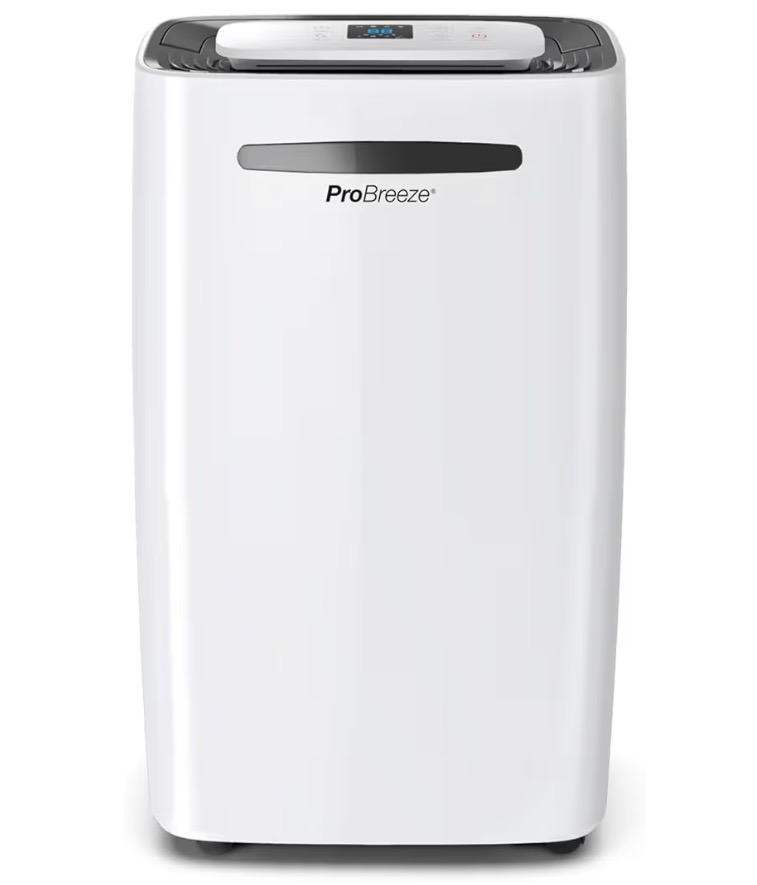
If the level remains above 60% despite good ventilation, anelectric dehumidifier(150-500 €) can extract 10 to 25 liters of water per day. Consumption: 200-400 W, or about 5-10 €/month of electricity.
5. Limit sources of humidity
A family of 4 produces an average of 12 liters of water per day(breathing, showers, cooking, laundry). Cover pots, use the hood, dry laundry outside or in a ventilated room, and avoid open fish tanks in bedrooms.
What the Regulations Say
In France, there is no legal standard imposing a maximum humidity level in dwellings. However, several texts indirectly frame this issue:
- Decree n°2002-120 of January 30, 2002: defines the criteria for a decent home, including the absence of infiltration and rising damp that could harm the health of occupants.
- DPE (Diagnostic de Performance Énergétique): since 2021, homes rated F or G ("energy strainers") are gradually banned from rental. Excessive humidity often degrades the DPE.
- RE2020 (new constructions): imposes requirements for ventilation and sealing that contribute to maintaining a controlled humidity level.
Good to know: In case of a humidity problem in a rented home, the tenant can demand that the landlord carry out the necessary work. In case of refusal, a court procedure can lead to a rent reduction of 10% to 30%.
Sources and references
This article relies on official, verified sources to guarantee reliable information.
- [1]
- [2]
- [3]
- [4]
Rédaction ZeroHumi
ZeroHumi editorial team
Technical documentation verified against the cited sources (ADEME, ANSES, WHO, CSTB, CEREMA)