Which insulation to choose in 2026? The guide to insulate without trapping moisture
A poorly insulated wall condenses and molds. Here's how to pick the right insulation by wall type and condition — and the mistake that makes moisture worse.
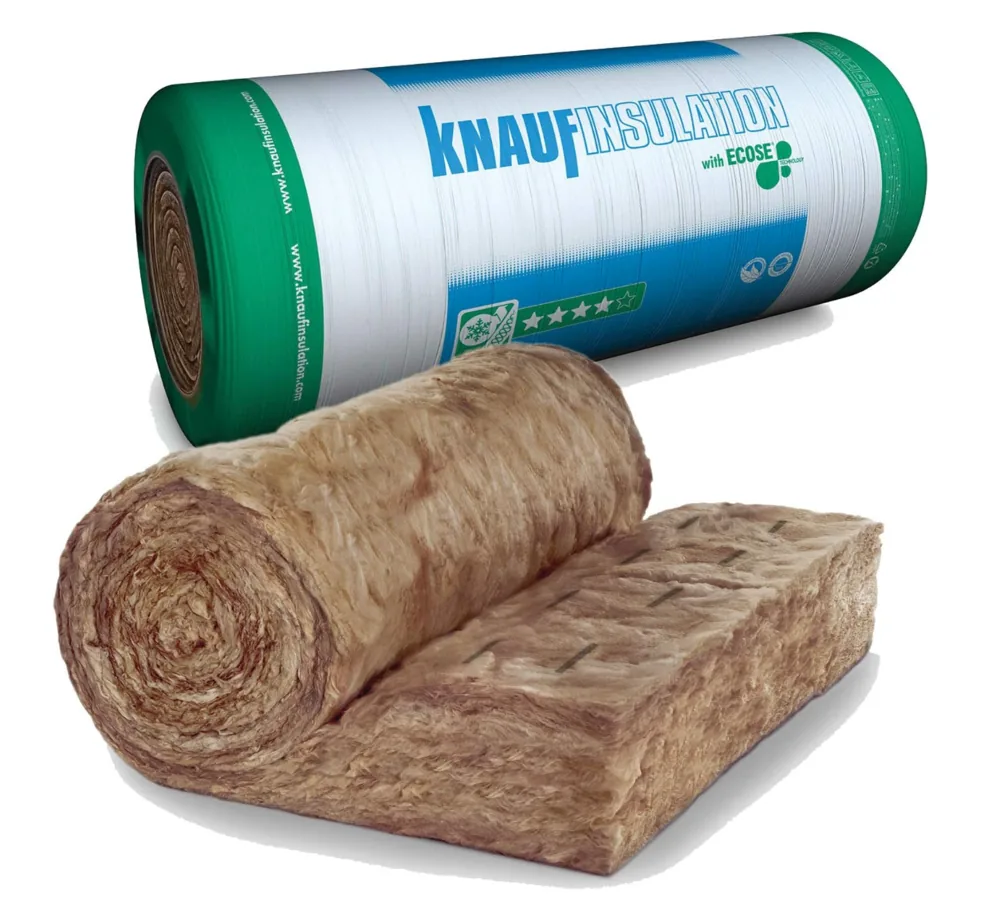
Quick answer. For most projects (attics, walls), Knauf glass wool offers the best value. On an old or damp wall, choose a breathable insulation like cork. For a cold wall condensing on the surface, a thin Climapor panel. For a cheap add-on on a dry substrate, polystyrene boards. Aim for R ≥ 7 in attics, R ≥ 3.75 for walls.
A cold wall that 'weeps', black spots in the corners, a rising heating bill: a poorly insulated home condenses and molds. Good insulation solves comfort, savings and moisture at once. But there is a trap most guides forget — one that can make your moisture problem worse.
Transparency. As an Amazon Associate (Amazon.com) and Amazon Partner (Amazon.fr), ZeroHumi earns from qualifying purchases at no extra cost to you.
The mistake that makes moisture worse
The most common synthetic insulations — polystyrene, thin reflective foils — are vapor-tight. Fitted onto a damp or poorly ventilated wall, they stop the wall from drying: moisture stays trapped behind the insulation, and condensation, then mold, thrive — the opposite of what you want.
The golden rule: on an old, cold or damp wall, pick a breathable insulation (cork, wood fiber, cellulose) and ensure good ventilation. A vapor-tight insulation only suits perfectly dry, well-ventilated substrates.
Sizing right: the formula
Efficiency is measured by thermal resistance R. Thickness = R × λ. For 2026 subsidies, aim for R ≥ 7 in cold attics, R ≥ 6 in sloped, R ≥ 3.75 for walls. At equal performance, a better insulation saves space — crucial when insulating a wall from the inside.
Which insulation for your situation?
| Your situation | The right insulation |
|---|---|
| Attic or walls, tight budget | Knauf glass wool ⭐ |
| Old or damp wall | Cork (breathable) 🌿 |
| Cold wall condensing on the surface | Climapor (thin panel) |
| Doubling / add-on on dry substrate | Polystyrene boards |
| Top-up insulation, little space | Thin reflective (PMR) |
Our 2026 picks in detail
Best value → Knauf glass wool ⭐
Our pick for most projects. Versatile (attics, walls, partitions), non-combustible and affordable. Plan ~24.5 cm for R = 7 in attics, but the price/performance ratio is unbeatable.
Ideal for: Attic and walls, tight budget.
Healthy pick for a damp wall → Cork 🌿
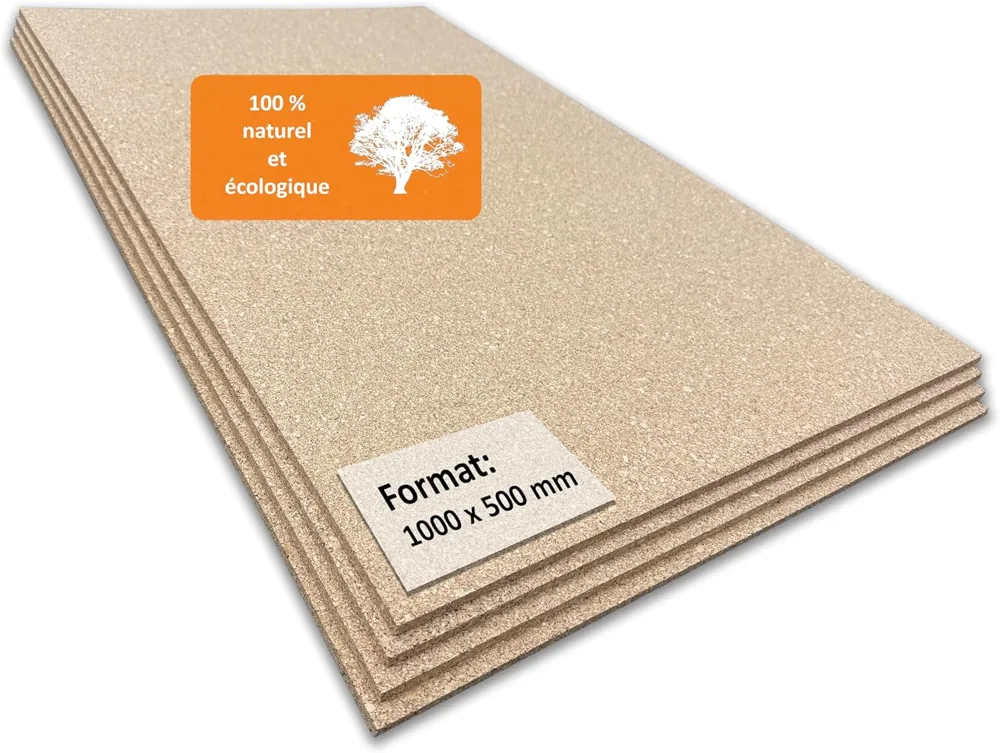
On an old or damp-prone wall, cork is the safest choice: 100% natural, breathable, it regulates vapor instead of trapping it. Naturally rot-proof, it insulates thermally and acoustically for 50+ years.
Ideal for: Old homes, damp walls, healthy renovations.
Against a cold wall that condenses → Climapor
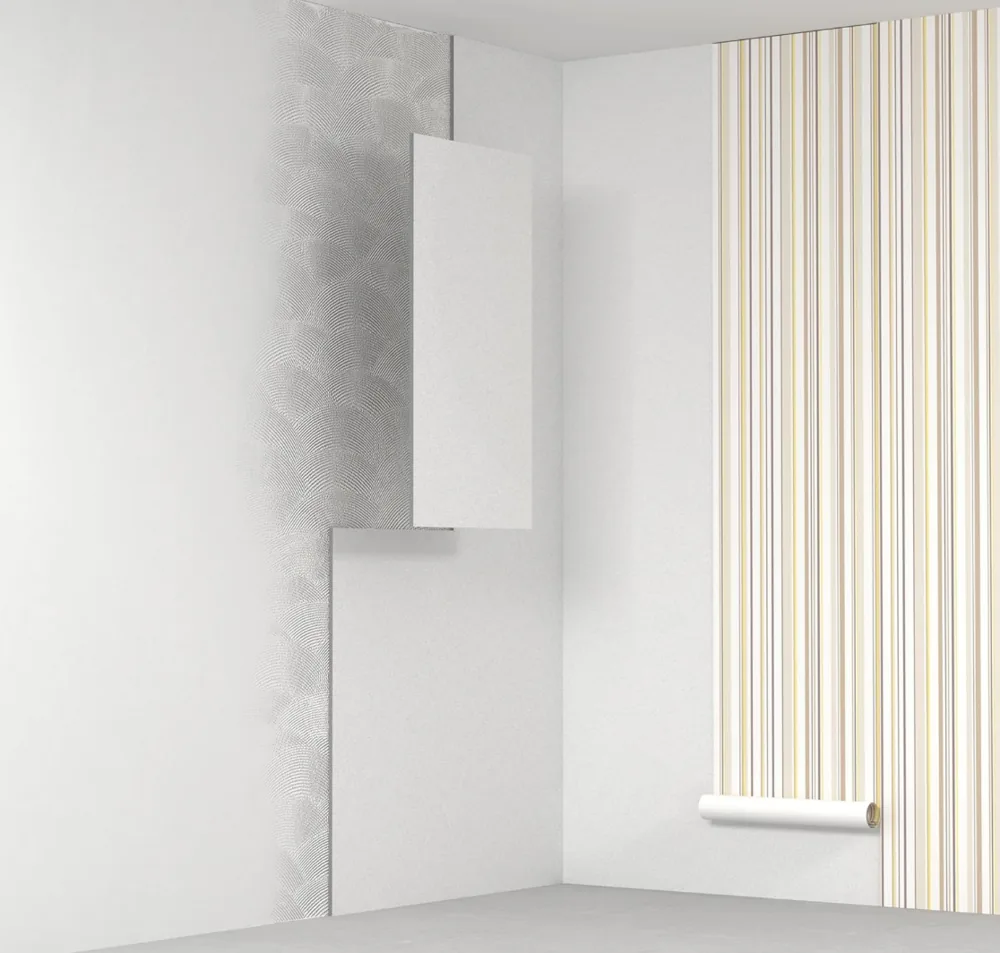
When an interior cold wall condenses on the surface (north corner, bedroom), these thin panels stick directly on the wall, under paint or wallpaper. By warming the surface, they cut condensation — without losing space.
Ideal for: A healthy cold wall condensing on the surface.
Cheap add-on → Polystyrene boards
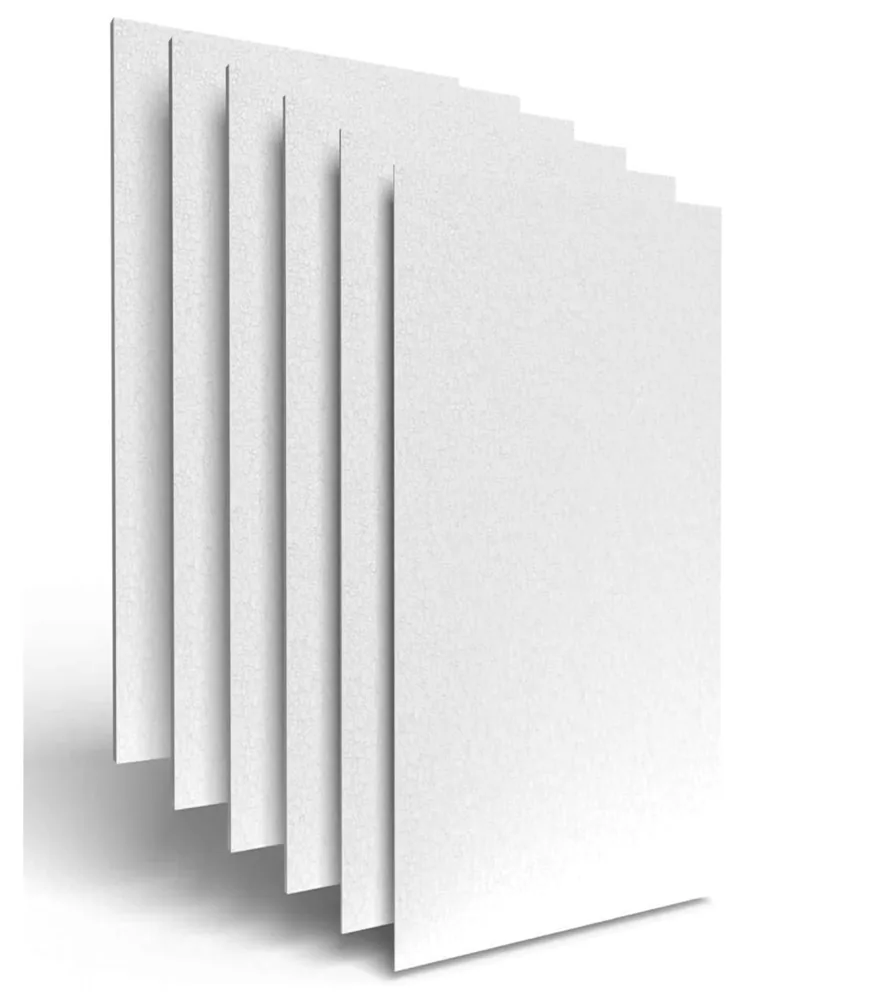
Light, rigid and cheap, they fit everywhere: doubling, floors, shimming. Insensitive to liquid water but vapor-tight: reserve for dry, ventilated substrates — never on a damp wall.
Ideal for: A cheap add-on on a dry substrate.
When space is tight → Thin reflective (PMR)
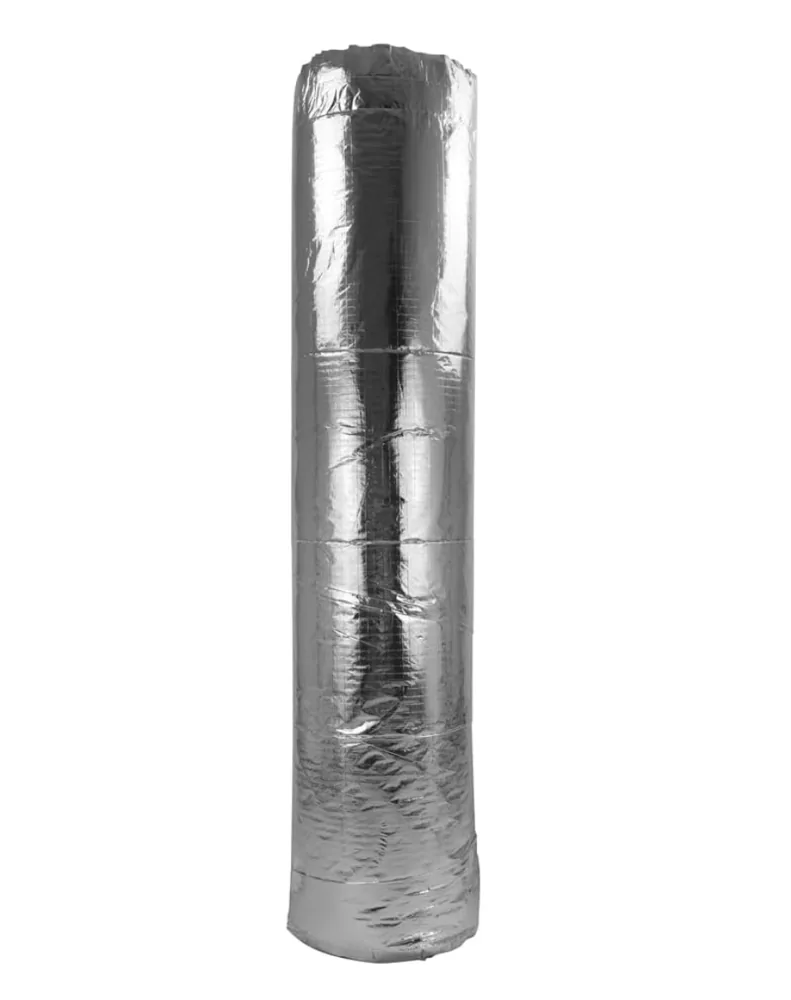
Thin and reflective, it slips where thickness is missing. But it's never enough alone: use only in addition to a standard insulation.
Ideal for: Topping up existing insulation in a tight space.
See the full comparison
All specifications side by side: pros, cons, specs and prices.
→ 2026 insulation comparisonWhat does it cost — and which subsidies?
Materials range from a few dozen euros (cork, EPS, PMR) to a bit more for a quality wool. But the real investment is installation. Good news: fitted by a certified pro, insulation qualifies for energy renovation subsidies in many countries.
💡 An insulation project? For a diagnosis, the right insulation for your walls and eligible subsidies, ask a certified pro.
→ Get a free quote near youInsulate smartly: the right order
Before installing anything: locate defects with a thermal camera, monitor humidity with a hygrometer, and ensure good ventilation. On an already damp wall, treat the cause first and dry with a dehumidifier.
Frequently asked questions
How do I insulate a wall without trapping moisture?
Use a breathable insulation like cork or wood fiber that regulates vapor, and ventilate the room. Avoid vapor-tight synthetics (polystyrene, PMR) on a damp wall.
Which insulation for attics?
Glass or rock wool remain the best value; wood fiber if summer comfort matters. Aim for R ≥ 7 in cold attics.
Which insulation for a damp wall?
Cork, rot-proof and breathable, is the safest. Treat the moisture cause first before insulating.
Can I insulate myself?
Yes for small jobs (doubling, top-ups), but full insulation is best done by a certified pro — also a condition for subsidies.
What thickness of insulation?
Calculated as thickness = R × λ. For R = 7 in attics, plan about 24.5 cm of glass wool.
In summary
The right insulation depends first on your wall and its condition: glass wool for best value, breathable cork on old or damp walls, Climapor against surface condensation, polystyrene as a cheap add-on. Above all, never trap moisture behind a vapor-tight insulation.
Rédaction ZeroHumi
ZeroHumi editorial team
Technical documentation verified against the cited sources (ADEME, ANSES, WHO, CSTB, CEREMA)