The Complete Guide to Treating Humidity in a House
Humidity affects more than 20% of French homes. This comprehensive guide accompanies you from diagnosis to treatment, covering solutions adapted to each situation and the costs to expect.
1. Understanding humidity in a house
Humidity in a house is not just an aesthetic inconvenience. It represents a real danger to your health and the structure of your home. According to the Interior Air Quality Observatory (OQAI), one in five homes in France has humidity problems.
The ideal relative humidity level in a house is between 40% and 60%. Below 40%, the air becomes too dry and can cause respiratory tract irritations. Above 60%, conditions become favorable for the development of mold, dust mites, and material degradation.
The consequences of excessive humidity
- On health: allergies, asthma, respiratory infections, chronic fatigue
- On the building: degradation of plaster, blistering paint, rotting wood
- On comfort: feeling of cold, unpleasant odors, condensation on windows
- On costs: overconsumption of heating (a damp wall consumes 25% more to heat)
2. The 5 main causes of humidity
1. Condensation
This is the most common cause. It occurs when warm, moist air comes into contact with a cold surface (windows, poorly insulated walls). Water vapor then turns into droplets.
Signs: fog on windows, mold in corners, behind furniture
2. Rising damp
Water from the ground rises through the walls by capillary action, like a sponge absorbing water. This phenomenon mainly affects old houses without a waterproof barrier.
Signs: traces of humidity at the bottom of walls (up to 1.5m), saltpetre, peeling paint
3. Water infiltration
Water enters the building through sealing defects: damaged roofing, cracks in walls, failing window seals, clogged gutters.
Signs: localized humidity spots, appearance after rain, rings on the ceiling
4. Water leaks
Punctured pipes, defective seals, plumbing issues... Leaks can be visible or hidden within walls and floors.
Signs: localized spots, abnormal water bill, sound of flowing water
5. Construction humidity
In recent constructions, materials (concrete, plaster) still contain water that gradually evaporates. This phenomenon can last 1 to 2 years.
Signs: significant condensation, generalized problems in a new house
3. How to diagnose the problem
Before treating humidity, it is crucial to identify its cause. A poor diagnosis leads to inappropriate solutions and a waste of money.
Self-diagnosis
You can carry out an initial diagnosis yourself:
- Measure ambient humidity with a hygrometer (15-30€). A level above 60% indicates a problem.
- Observe the traces: their location (top/bottom of walls), their shape, their appearance (after rain or not).
- Test your VMC: place a sheet of paper in front of the extraction vents. It should stay by itself.
- Check the exterior: gutters, cracks, window seals, wall bases.
Professional diagnosis
A humidity expert has specific tools: pin moisture meters, thermal cameras, carbide bomb tests. They can precisely identify the cause and propose an adapted treatment.
Cost: 100 to 300€ for a complete diagnosis. Some companies offer it for free before a quote.
4. Solutions by problem type
Against condensation
Simple solutions
- Ventilate 10 min/day, even in winter
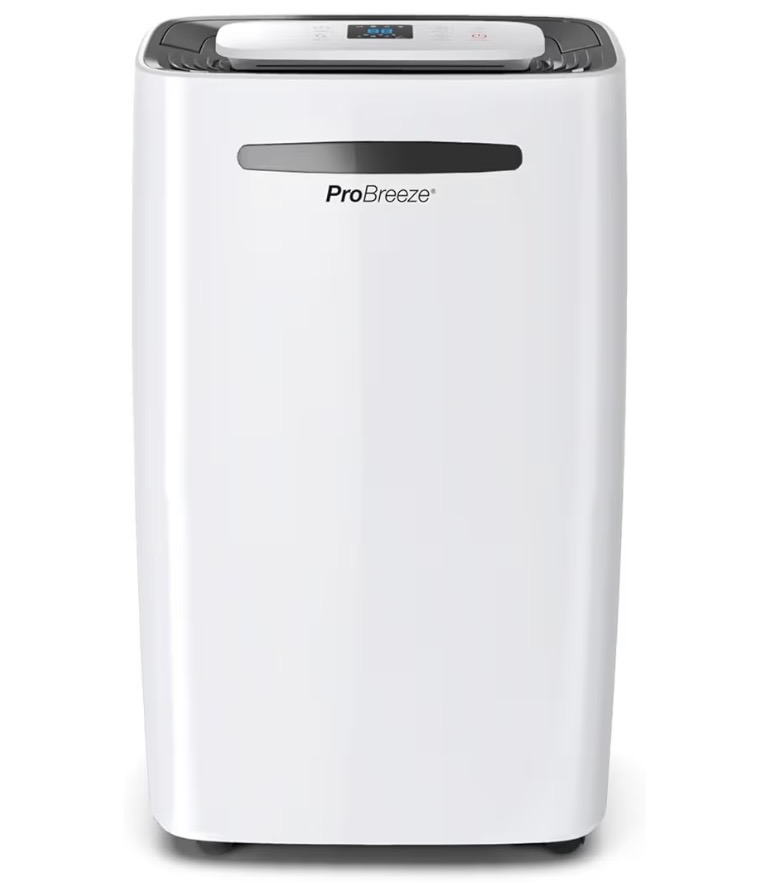
- Use an electric dehumidifier
- Clean the VMC vents
Durable solutions
- Install/repair the VMC
- Switch to double glazing
- Insulate thermal bridges
Against rising damp
Rising damp requires professional treatment. "Home" solutions do not work because a physical or chemical barrier must be created in the wall.
- Resin injection: injection of a hydrophobic product into the wall (80-150€/ml)
- Electro-osmosis: electronic system reversing the water flow (3000-8000€)
- Peripheral drainage: evacuation of water around foundations (100-200€/ml)
Against infiltration
The treatment depends on the source of the infiltration. The water entry must first be stopped before repairing the damage.
- Roofing: repairing tiles, recasting flashings
- Facade: water-repellent treatment, filling cracks
- Windows: replacing seals, adjusting openings
5. Treatment costs
| Treatment | Average cost | Work duration |
|---|---|---|
| Electric dehumidifier | 150 - 400€ | - |
| Single-flow VMC | 500 - 1,500€ | 1 day |
| Double-flow VMC | 3,000 - 7,000€ | 2-3 days |
| Resin injection (wall) | 80 - 150€/ml | 1-2 days |
| Basement tanking | 150 - 300€/m² | 3-5 days |
| Peripheral drainage | 100 - 200€/ml | 1-2 weeks |
| Facade water-repellent treatment | 15 - 30€/m² | 1-2 days |
💡 Good to know: Certain works are eligible for state aid (MaPrimeRénov', CEE) if coupled with insulation or ventilation works.
6. Preventing the return of humidity
Once the problem is treated, adopt these best practices to prevent it from returning:
Daily habits
- Ventilate your home 10 minutes a day, creating a draft
- Use the range hood while cooking
- Run the bathroom VMC during and 15 min after the shower
- Avoid drying laundry indoors (or use a dehumidifier)
- Do not block window air inlets
Regular maintenance
- Clean VMC vents twice a year
- Check the condition of gutters in the fall
- Watch for cracks appearing on the facade
- Check your window seals every 5 years
Useful equipment
- Hygrometer: to monitor humidity levels (target: 40-60%)
- Dehumidifier: as a backup in sensitive rooms
- Humidity-controlled VMC: automatically adjusts to humidity levels
7. When to call a professional
Certain situations absolutely require the intervention of an expert:
- Rising damp: only a professional treatment is effective
- Extensive mold: more than 1m² of surface affected
- Persistent saltpetre: sign of a structural problem
- Building degradation: crumbling plaster, rotting wood
- Doubt about the cause: to avoid unnecessary works
How to choose your professional
- Check certifications: Qualibat, RGE for certain works
- Request at least 3 detailed quotes
- Demand a ten-year guarantee
- Check online reviews (Trustpilot, Google)
- Beware of prices that are too low or too high
In summary
Treating humidity in a house requires a methodical approach: identify the cause, choose the appropriate treatment, and prevent the return of the problem. Do not wait for the situation to worsen: the earlier you intervene, the less costly the work will be.
For simple condensation problems, accessible solutions exist (dehumidifier, ventilation, VMC). For rising damp or significant infiltration, call a certified professional.